
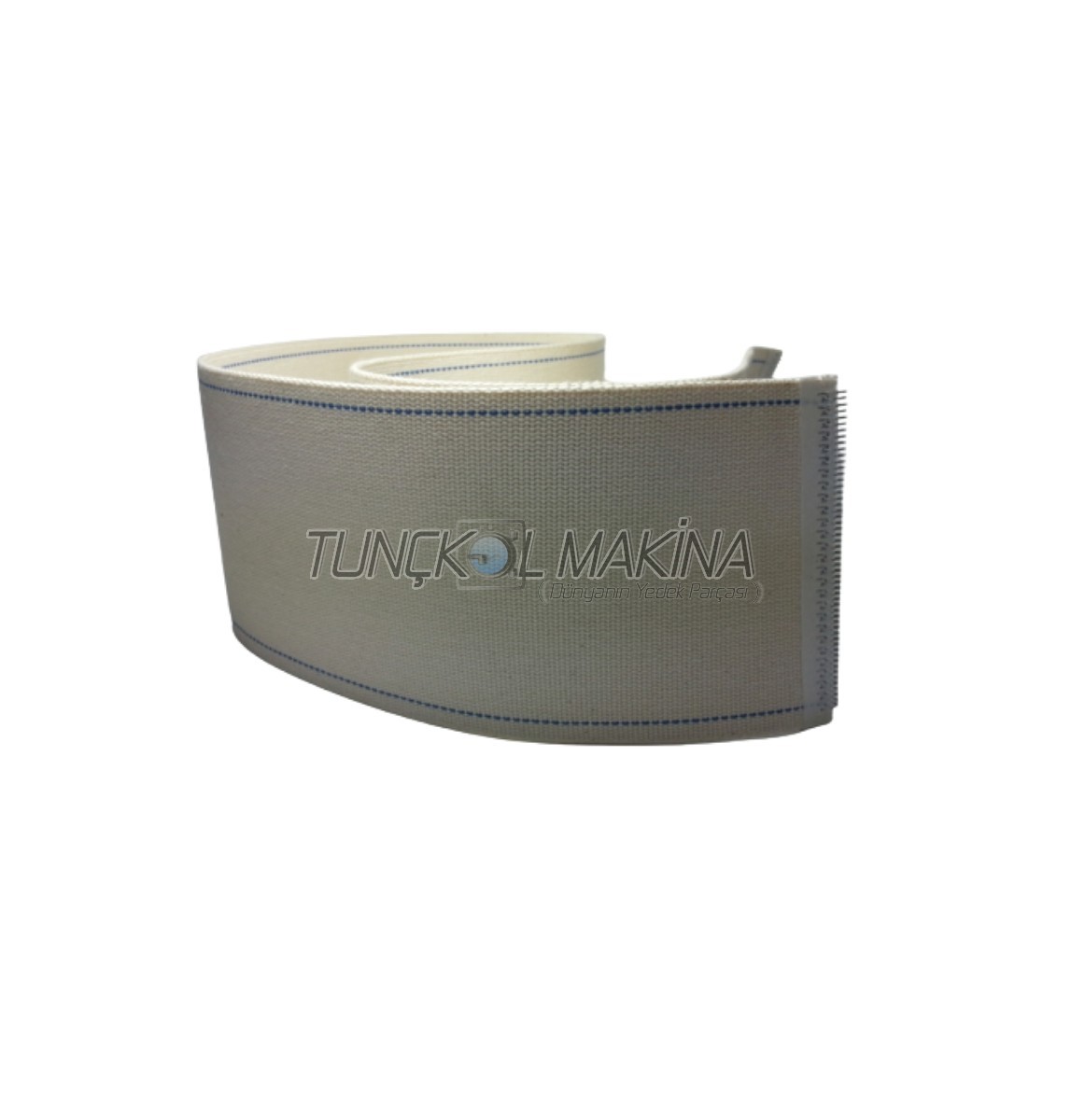
 Representative photo from a related product family
Belts and textile transport
Feeder belt
A feeder belt transfers textiles into or between machine stages through a particular surface and travel direction.
View detailsBotswana
Choosing a Feeder felt starts with the part fitted to the machine. Compare its code, mounting arrangement and operating requirements before deciding that a visually similar item will perform the same function.
Our confirmed contact address is in Ankara, Turkey. A country or city page does not mean that we have an office or technician at that location. Service availability and shipment options are confirmed for each request.
Representative photo from a related product familyBelts and textile transport
A feeder belt transfers textiles into or between machine stages through a particular surface and travel direction.
View details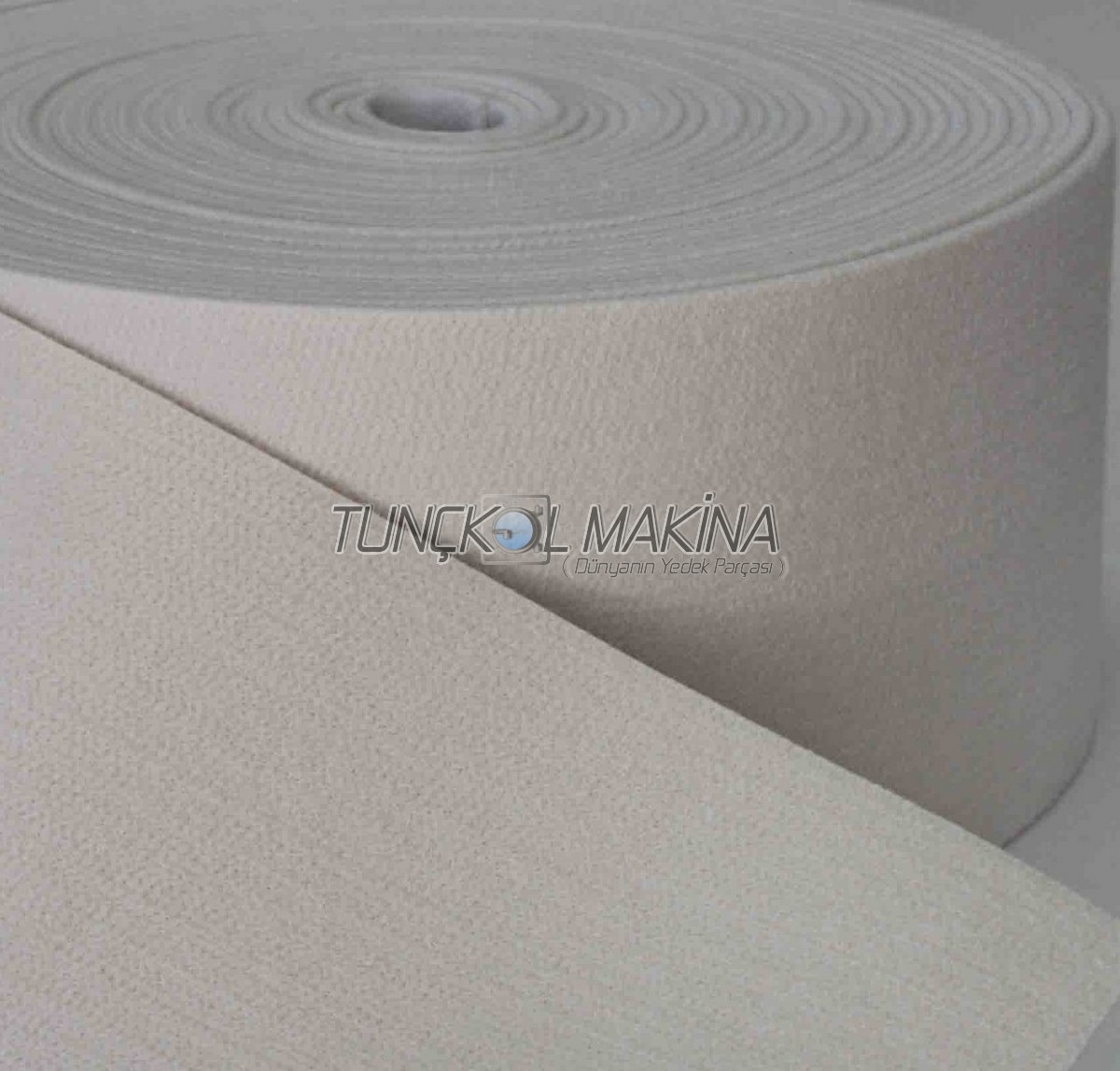
Textile felts and padding
Main belt felt must suit the belt's contact surface, compression and operating environment in the textile transport assembly.
View details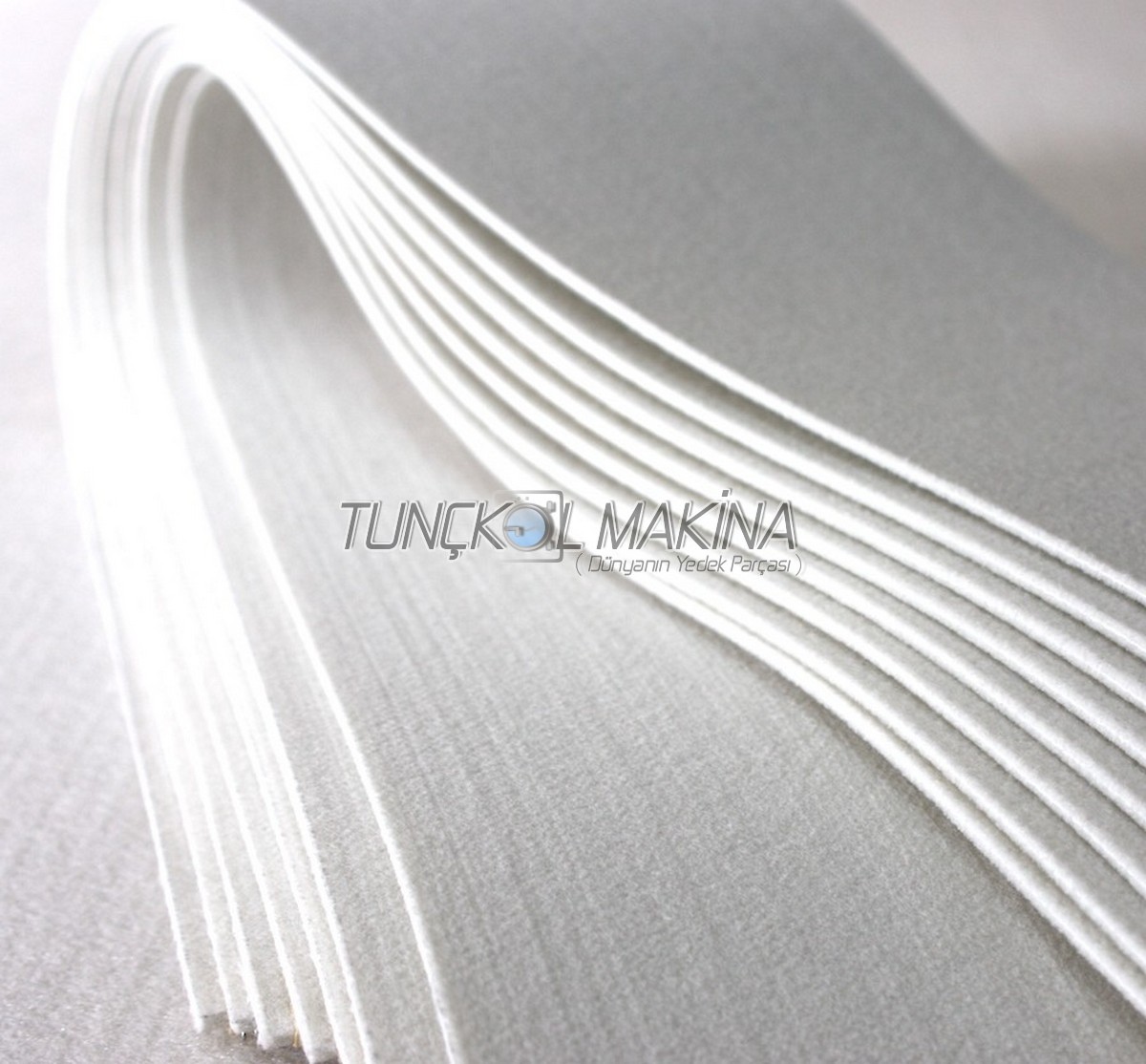
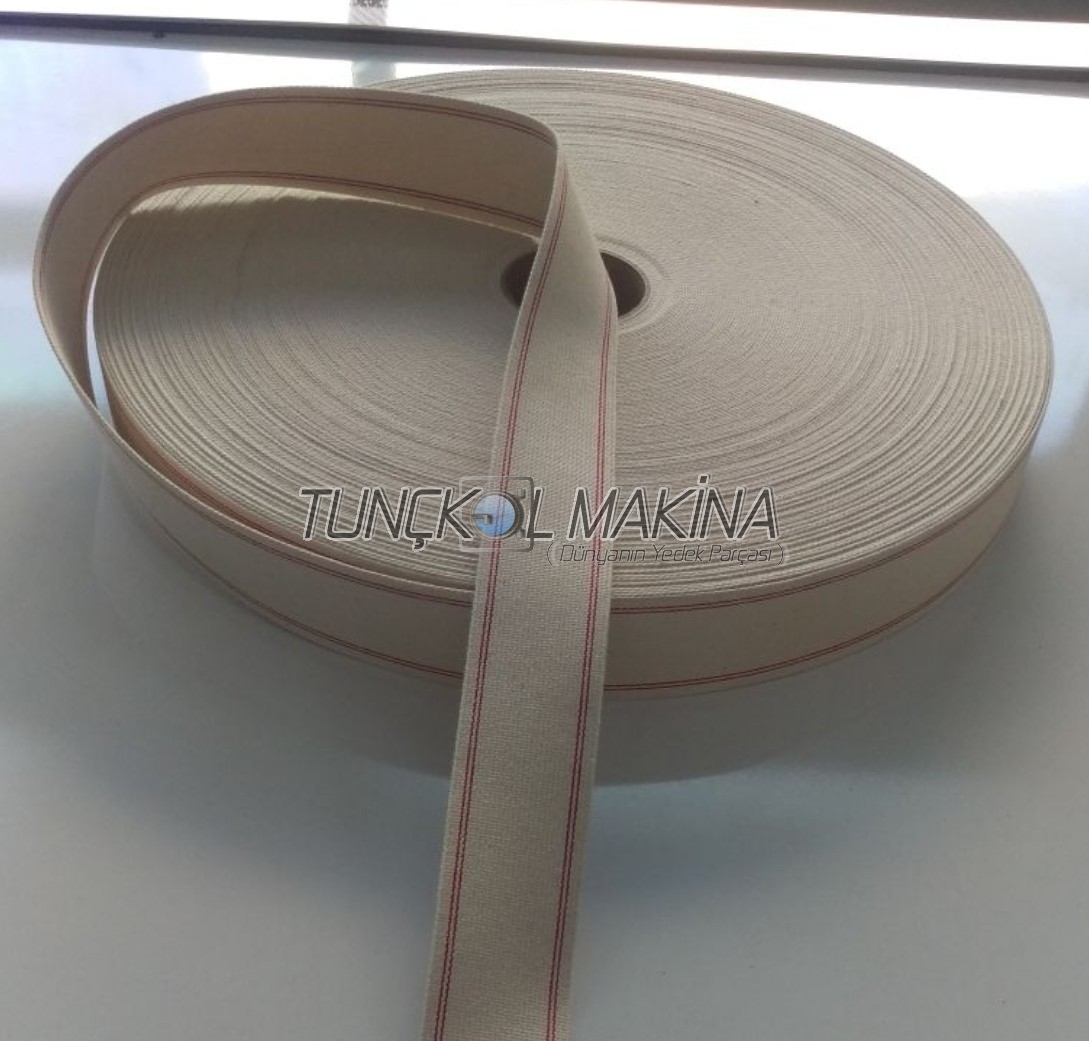
A feeder felt provides contact at a textile-transfer surface and must match its supporting belt or mechanism.
Compare contact surface, width, free thickness, working length and joint, showing attachment and installed route.
Record edge wear and joint impressions with line conditions, distinguishing free material thickness from compressed installed thickness.
Contact surface, width, thickness, length, joint
A useful record for Feeder felt explains what was observed before anything was changed. Note the date, operating conditions, first error and any recent work near the assembly. Keep photographs of the original wiring and mounting position. If a previous replacement did not resolve the symptom, include its code and the result of the follow-up check. This avoids repeating the same assumption and helps separate a component mismatch from an unresolved fault elsewhere in the equipment.
The condition of the parts around Feeder felt can matter as much as the component itself. A worn support, loose connection, blocked passage or misaligned assembly may put a new part under the same abnormal conditions. Describe visible wear and the position of any leak, vibration or heat mark without dismantling energized equipment. The checks should follow the machine documentation. Related component guides are included to help organize the request, not to recommend replacing several items without a diagnosis.
A symptom involving Feeder felt should be described alongside the programme stage and the first alarm shown. An interrupted supply, a restricted mechanical movement or an incorrect signal can produce similar symptoms. Record whether the fault is constant, intermittent or linked to heat, load or moisture. Keep earlier and later alarms separate. This sequence helps a qualified technician decide which checks are appropriate instead of treating the last displayed message as a complete diagnosis.
Before a Feeder felt is replaced, the machine must be placed in the condition required by its maintenance procedure. Electrical power, stored pressure, temperature and moving assemblies need appropriate control by qualified personnel. The replacement specification should be agreed before removal, including the mounting and connection arrangement. After fitting, the relevant functional and acceptance checks belong in the maintenance record. Replacing a component without checking the reason for its failure can leave the original problem in place.
Before supply is discussed, confirm the Feeder felt code, quantity and machine details in writing. For a request from Botswana, include the actual destination and the practical contact details needed to assess delivery options. Compatibility, availability, price and shipment terms are confirmed for the specific enquiry; a website entry is not a stock declaration. If an alternative is considered, its functional and mechanical differences need to be checked rather than treating a similar photograph as proof of equivalence.
This edition covers enquiries from Botswana. The geographical directory contains 139 populated-place records and 41 administrative-area records. Capital city: Gaborone. These records describe the directory, not the number of service offices, and do not confirm a technician at that location. Your actual city, service options and delivery arrangements are checked individually for each enquiry before assistance or shipment is agreed.
Felt compresses during use, while an old contact surface may be flattened or worn. Installed thickness does not necessarily equal the specified free thickness of new material. Compare width, circumference or working length, material and joint with the application. State how each measurement was taken. A measurement made under unknown compression should not become the sole selection criterion, especially where the material controls textile contact or pressure distribution around a supporting roller in service.
Compare contact surface, width, free thickness, working length and joint, showing attachment and installed route. Main belt felt.
A joint, hard area or unevenly compressed surface can leave marks or alter how textiles pass through the machine. Record the mark relative to the joint, roller and travel direction. Include the supporting surface in the documented maintenance assessment. Similar appearance does not establish equivalent material. Surface texture, compression and documented temperature suitability must match the actual duty. Keep observations about the finishing result separate from confirmed measurements and the original felt specification used for selection.
Record edge wear and joint impressions with line conditions, distinguishing free material thickness from compressed installed thickness. Feeder belt.
A description such as heat-resistant felt does not establish a specific temperature rating or universal chemical suitability. Obtain the material record and compare permitted conditions with the application. Identify whether the requested item is textile-contact felt or a sealing element because they require different measurements. Include thickness, width, length and joint only where relevant. Record wear and operating conditions separately from assumptions about new-material limits, so an informal name does not become an invented technical specification.
Contact surface, width, thickness, length, joint Main belt felt.
Send the full model and serial number, the existing Feeder felt code and a readable machine plate photograph. Include the component label, connector and mounting arrangement if these can be photographed safely. The same brand can use different revisions across machine families and production periods. If the old part was already replaced, include both codes and explain which one was originally fitted. This information supports an identification check; the brand and a general description alone are not enough. Feeder belt.
A photograph is a useful starting point for Feeder felt, but it cannot verify every specification. Hidden dimensions, internal construction, signal type or material can differ between similar-looking items. Compare the label and documented requirements as well as the visible shape. The gallery may contain a reference photograph or a clearly marked technical illustration. Neither image should be read as proof of the current stock, original manufacturer or compatibility with every Tolon, Tolkar or Kromlüks machine. Main belt felt.
Describe the first symptom, programme stage and alarm in their original order. Explain whether the issue appears during starting, filling, heating, rotation, discharge or another identifiable operation. For Feeder felt, add recent maintenance, operating conditions and any verified measurements with their units. Avoid turning an untested suspicion into a confirmed diagnosis. Qualified personnel can then compare the evidence with the machine documentation and decide whether the requested component or a connected assembly needs further investigation. Feeder belt.
Availability and price are checked against the identified Feeder felt, required quantity and agreed specification. For an enquiry from Botswana, provide the actual city and delivery destination so that feasible shipment options can be discussed. The presence of a product page does not establish stock or an agreed dispatch date. Any offered alternative needs a separate compatibility check. The quotation should identify what is included and which delivery conditions still require confirmation before an order is accepted. Main belt felt.
After fitting Feeder felt, the machine-specific maintenance procedure determines the functional checks and conditions for returning the equipment to use. Qualified personnel should confirm the relevant connections, mounting and operating response, then record the result alongside the original symptom. An alarm disappearing once is not proof that an intermittent cause has been resolved. Where the fault involved a supply, leak, abnormal load or mechanical restriction, that condition also needs to be addressed before the replacement is considered successful. Feeder belt.
Tunçkol Makina is an independent private service and spare parts business. This Feeder felt page provides identification guidance for enquiries involving Tolon, Tolkar and Kromlüks equipment; it does not declare an authorized relationship with those brands. Our confirmed contact address is in Ankara, Turkey. A country or city edition helps organize an enquiry, while local attendance, remote assistance and shipment feasibility must be confirmed separately for the actual request and location. Main belt felt.